

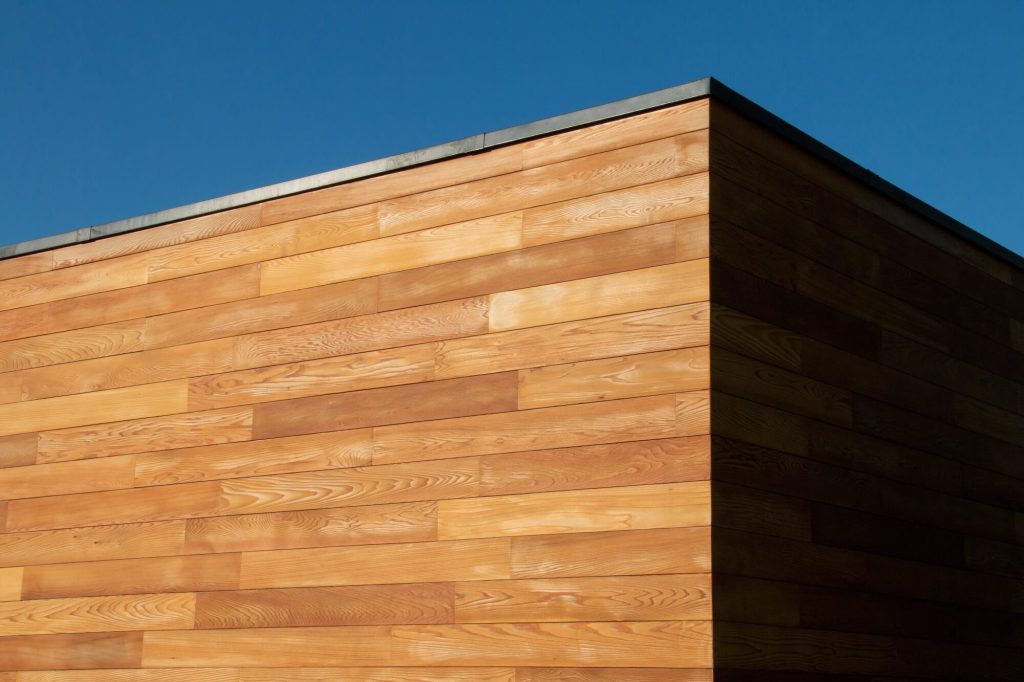
Cedar cladding is one of the most sought-after timber cladding options in the UK, prized for its rich colour, natural durability, and resistance to decay. Whether you’ve chosen Western Red Cedar for its warm reddish-brown tones or British-grown cedar for its distinctive grain, this timber adds timeless elegance to any building.
However, like all natural materials, cedar requires a little care to keep it looking its best and performing at its peak. With proper maintenance, cedar cladding can last for decades while maintaining its beauty and structural integrity.
In this guide, we’ll walk you through step-by-step maintenance tips for cleaning, oiling, and protecting cedar cladding so it continues to enhance your property year after year.
Why Maintain Cedar Cladding?
One of cedar’s great strengths is its natural resistance to moisture, pests, and decay. Left untreated, cedar will naturally weather to a silvery-grey patina over time, a look many homeowners love. However, if you want to preserve its original warm tones, prevent surface dirt build-up, and maximise its lifespan, regular maintenance is essential.
Even though cedar is low-maintenance compared to many materials, exposure to the UK’s varied climate means it can be affected by:
- UV light – which can cause fading and greying over time
- Rain and moisture – which can lead to surface staining or algae growth
- Airborne dirt and pollutants – which can dull the timber’s appearance
- Insects or fungi – rare but possible if the timber remains damp for long periods
With a simple, consistent care routine, you can protect your investment and keep your cladding looking as good as the day it was installed.
Step 1: Inspect Your Cedar Cladding Regularly
Before you begin cleaning or treating your cedar cladding, it’s important to carry out a thorough inspection. This allows you to identify any issues early, before they become bigger problems.
What to check for:
- Discolouration or uneven fading
- Green algae or mould spots
- Dirt and dust build-up
- Loose boards or fixings
- Signs of water staining or splash-back damage near the base
We recommend doing this at least once a year, ideally in spring or early summer when the weather is mild.
Step 2: Cleaning Cedar Cladding
Cleaning cedar cladding is straightforward but should be done carefully to avoid damaging the wood fibres.
You will need:
- Soft-bristled brush or broom
- Bucket of warm, soapy water (mild detergent)
- Garden hose (never a pressure washer)
Cleaning process:
- Brush away loose dirt – Start by using a soft-bristled brush to remove dust, cobwebs, and debris from the surface.
- Wash with mild soap – Mix a small amount of pH-neutral detergent with warm water and gently scrub the surface.
- Rinse with low-pressure water – Use a hose to rinse away the soap, ensuring all residue is removed.
- Allow to dry naturally – Make sure the timber is fully dry before moving on to oiling or treating.
Tip: Avoid high-pressure washing as it can damage the cedar’s delicate surface, raise the grain, and force water into joints.
Step 3: Oiling Cedar Cladding to Preserve Colour
If you love the rich tones of fresh cedar, applying oil is the best way to lock in its colour. UV rays are the main cause of fading, and a quality UV-protective oil can significantly slow this process.
Choosing the right oil:
- Opt for an oil specifically designed for exterior timber cladding.
- Choose a product with UV inhibitors if you want to retain the timber’s original colour.
- Consider a tinted oil for enhanced protection and even tone.
How to apply oil:
- Ensure cladding is clean and dry – Never apply oil to damp wood.
- Stir the oil well – Do not shake, as this can create bubbles.
- Apply with a soft brush or roller – Work along the grain for an even finish.
- Wipe away excess – Remove any excess oil with a clean cloth to avoid sticky residue.
- Allow to dry fully – Follow manufacturer guidelines for drying times before applying a second coat if needed.
Reapplication frequency:
Most cedar cladding benefits from oiling once every 1–3 years, depending on exposure to sunlight and weather.
Step 4: Protecting Cedar from Moisture and Algae
Cedar’s natural oils make it resistant to decay, but in damp, shaded areas it can still be prone to algae or mildew growth. To minimise this:
- Ensure good airflow around your cladding
- Keep nearby vegetation trimmed back
- Avoid splash-back from paving or soil, use gravel beds at the base of walls
- Consider applying a breathable water-repellent treatment in high-moisture locations
Step 5: Allowing Cedar to Weather Naturally (Optional)
Some property owners choose to let cedar cladding weather naturally without oiling, embracing the silver-grey finish that develops over time.
If this is your preference:
- Clean the cladding once a year to remove dirt and algae
- Avoid harsh treatments; gentle brushing is sufficient
- Be aware that weathering can be uneven depending on sun and rain exposure
Step 6: Repairing and Replacing Damaged Boards
Even with the best care, occasional damage can occur from impacts, storms, or construction work nearby.
- For minor surface marks, light sanding can restore the finish.
- Deep splits or rot should be addressed quickly by replacing the affected board to prevent moisture ingress.
- Always use stainless steel fixings when replacing boards to prevent staining.
Sustainability and Longevity of Cedar Cladding
One of cedar’s biggest advantages is its sustainability. When sourced from FSC®-certified forests, it’s a renewable building material with a low carbon footprint. Its long lifespan, often 30 years or more with proper care, means less frequent replacement, reducing environmental impact.
At The Larch Cladding Company, our cedar cladding is sustainably sourced and precision-cut for the best performance. We supply both British-grown and Western Red Cedar in a variety of profiles, including tongue and groove, shiplap, and square edge.
Final Thoughts: Keep Your Cedar Looking Its Best
Maintaining cedar cladding doesn’t have to be difficult. With a little annual care, cleaning, inspecting, and treating as needed, you can keep your cladding looking beautiful and performing well for decades.
Whether you want to preserve its original warm tones with oil or embrace the natural silver-grey patina, cedar remains one of the most durable and attractive timber cladding options available.
Contact us
Looking for high-quality cedar cladding? We supply premium cedar cladding across the UK, available in a range of profiles to suit your project. For expert advice, samples, or pricing, call us on 01352 746293 or email info@thelarchcladdingcompany.co.uk.